
07Jul
The Ultimate List of Fruits You Can (and should) Feed Your Dog
Admin2025-09-08T18:09:46+00:00
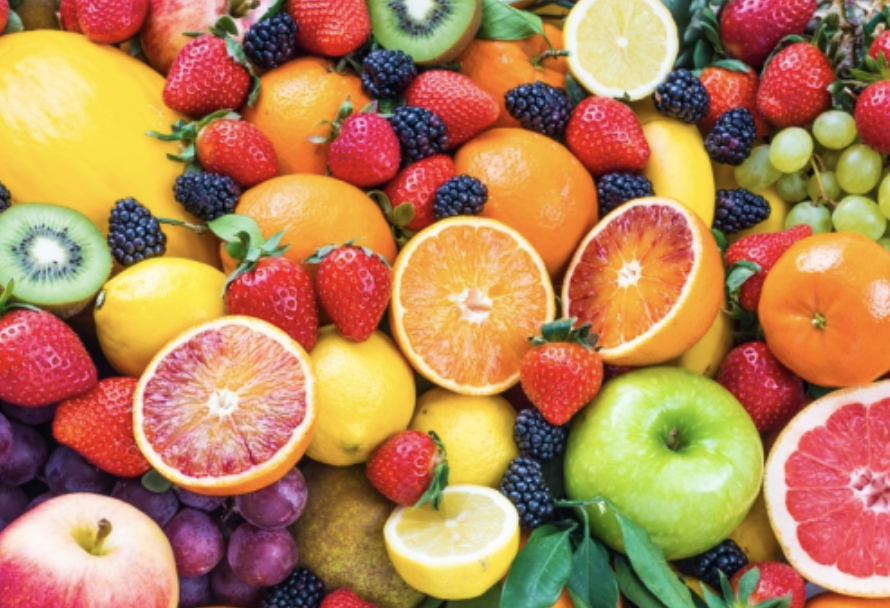
Fruits are a healthy snack or addition to your dogs’ meals. Dogs are omnivores, meaning they can eat both meat and fruits/veggies, like humans. However, fruits and veggies should make up no more than 10% of your dog’s diet.
Ever wondered what fruits are actually safe? Find the definitive list below.
The Best Fruits For Your Dog (and the safest):
These fruits are healthy and lower in sugar, making them the top choices for your furry friend:
- Apples – full of vitamins and minerals (particularly in the skin, so keep it on!) and compounds such as quercetin (great for allergy relief) and fisetin (which fights diseased cells in the body to help prevent cancer and other diseases). One of the healthiest fruits for your dog!
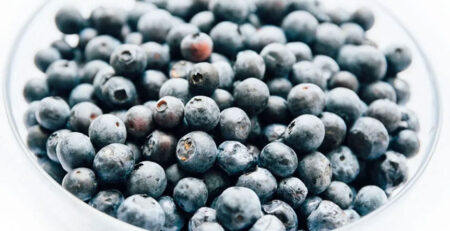
- Blueberries – contains anthocyanins which give them their unique colour and contains antioxidants which can cross the blood-brain barrier, preserving cognitive function as your dog ages. One of the richest antioxidant fruits in the world!
- Cantaloupe – just like watermelon, full of water (hydrating!), vitamins, minerals, and fiber. Just don’t feed the rind.
- Cranberries – great at not only fighting UTIs, but they also are great for gut health and have cancer-fighting properties.
- Dragonfruit – safe and full of iron, calcium, and healthy fatty acids. Just feed only the flesh in small pieces.
- Lemon / lime – similar to oranges, dogs don’t usually like the taste of these but they are safe to eat and can add Vitamin C to your dog’s diet.
- Oranges – you may be surprised by this one. While dogs usually don’t like citrus fruits because of the taste, they are safe for your dog and can add a boost of Vitamin C to their diet.
- Pears – a great source of fiber, minerals, and vitamins such as Vitamin A, K, and copper. Just avoid the core.
- Pineapples – over 80% water, pineapple is great for hydration. It is also full of Vitamin C and B6, which boost your dog’s immune system and is important for brain and body functions. Just feed in small pieces (avoid the core) to avoid a bowel obstruction.
- Pomegranate – a great source of folic acid, potassium, and fiber. However, due to high sugar and the seeds which can’t be removed, feed a limited amount on top of food.
- Strawberries – contains enzymes which help keep your dog’s teeth white, and full of fiber and several vitamins and minerals. Also extremely high in fisetin, the disease-fighting super compound found in apples as well. Fisetin has been shown in studies to potentially increase lifespan through fighting of diseased cells.
- Watermelon – mostly water, this is a super refreshing treat on a hot day that also contains a lot of vitamins and minerals such as vitamins A and C. Do not feed the seeds or rinds as they can cause blockages.
Fruits that are safe – in moderation
- Apricots – full of fiber and minerals, these are healthy treats in moderation. Dogs can only eat the flesh and keep in mind they are high in sugar and carbs so they should be fed in moderation. Never feed the pit, stems, or leaves as they contain cyanide which is extremely toxic. Dried apricots are also higher in sugar and carbs so they should only be fed in extremely small amounts.
- Bananas – full of fibre and minerals such as potassium. Bananas are great for bone and muscle health in dogs, but they are very high in starch and sugar so they can feed yeast in your dog’s gut. Feed in limited amounts or avoid if your dog is prone to yeast issues or has sugar issues.
- Blackberries – full of fiber, vitamins A and C, and antioxidants. However, they do contain trace amounts of the sweetener xylitol, which can be toxic to dogs in large quantities. So feed blackberries in moderation or stick to other berries.
- Mangoes – safe for dogs and quite tasty, mangoes contain lots of vitamins such as C, E, and B6. However, they are on the high side for carb and sugar content, so feed in moderation. Also, never feed the pit as this can be toxic.
- Peaches/nectarines – high in fiber and vitamin A, the flesh is fine for your dog. Do not feed the pit because of its ability to convert to cyanide in your dog’s stomach.
- Plums – the flesh of plums has antioxidants and vitamins that are beneficial for your dog, but the pit is poisonous because it can covert to cyanide in your dog when consumed. Cyanide is extremely toxic. So if you are going to feed plum, only feed small pieces of the flesh – due to the high sugar content, also be mindful of the amounts.
- Raspberries – contains vitamin A, B1, B2, B3, C and E and are a great source of antioxidants, which means they can help boost your dog’s immune system and reduce inflammation. Also contains trace amounts of xylitol, which can be toxic in large quantities. So feed in moderation or stick to other berries.
Fruits to Avoid:
-
Some fruits we recommend never feeding, as they can be toxic or dangerous.
- Avocados – the skin, pit, and leaves contain a natural fungicide called persin which can lead to digestive issues in your dog if consumed. Best to avoid this fruit altogether.
- Cherries – the flesh is technically safe, but the pits are extremely dangerous due to the fact that they convert to cyanide when ingested. Since cherries are small and usually not pitted, do not feed them. The stems are also not safe.
- Coconut – coconut oil is popular with dogs and in dog treats, but research shows that over 80% of coconut oil is actually saturated fats and has been potentially linked to digestive issues such as leaky gut and immune system issues.
- Grapes/raisins – these contain tartaric acid which is toxic to dogs if ingested – no amount is safe. If your dog does eat a grape, call a vet straight away.
- Kiwi – best to avoid as the seeds can be toxic when ingested in large amounts, and the seeds are quite difficult to remove.

Leave a Reply Cancel reply
You must be logged in to post a comment.



Comment (1)
[…] Also known as ‘nature’s benadryl’, quercetin has been shown to have antihistamine properties that help to relieve itchy skin and allergies. It’s a naturally occurring compound found in foods, particularly in apples and apple skins. For a full list of fruits your dog can eat, check out this. […]