
07Jul
The Ultimate List of Veggies You Can (and should) Feed Your Dog
Admin2025-09-08T18:09:46+00:00
Vegetables are a healthy snack or addition to your dogs’ meals. Dogs are omnivores, meaning they can eat both meat and fruits/veggies, like humans. However, fruits and veggies should make up no more than 10% of your dog’s diet.
Ever wondered what vegetables are actually safe? Find the definitive list below.
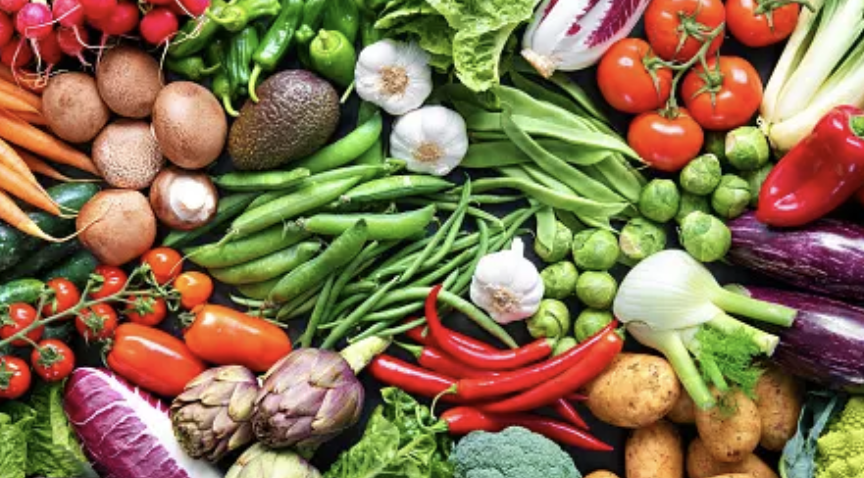
The Best Veggies For Your Dog (and the safest):
- Asparagus – full of vitamins and minerals, including fiber. Just remove the tough part of the stalk first.
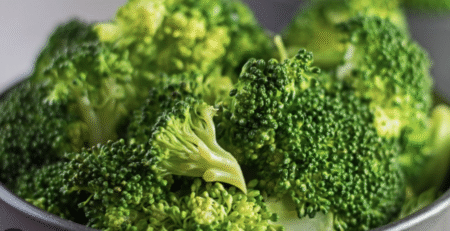
- Broccoli – a superfood that can protect your dog from disease and contains sulforaphane, which can help reduce the chances of cancer.
- Brussel sprouts – rich in nutrients, fiber, and antioxidants.
- Cabbage – can improve your dog’s skin and coat health, along with digestive health through its immunity boosting antioxidants and fiber content. Just beware, can make your dog gassy!
- Carrots – full of vitamins and minerals, can improve eye health and digestive health.
- Cauliflower – also contains sulforaphane, like broccoli – disease-fighting powerhouse and full of nutrients.
- Celery – a great source of fiber, calcium, iron, potassium and vitamins; it also detoxes the body and fights chronic disease.
- Green beans – contain fiber, vitamins K and C and manganese; they are high in fiber and low in sugar.
- Leafy greens (ex: spinach, kale, romaine lettuce) – high in chlorophyll, which removes toxins from the body; it also boosts the immune system, breaks down bladder stones and promotes digestive health.
Veggies that are safe – in moderation
- Bell Peppers – full of antioxidants such as quercetin and lutein, along with 4x the Vitamin C than an orange. But they also contain solanine, which can be inflammatory. If you feed bell peppers, remove the skin and seeds.
- Corn – dogs can eat corn but it doesn’t have much nutritional value for them due to its high starch content, and the fact that it is a heavily genetically modified food. So it’s safe to feed, but we would avoid.
- Eggplant – some dogs can be allergic, so be careful to watch for this when feeding. Others with kidney issues may also not tolerate this vegetable well.
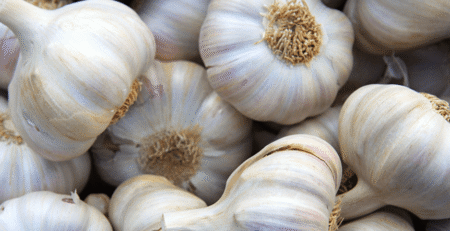
- Garlic – antibacterial, anti-viral, anti-fungal, immuno-stimulating and anti-cancer. Just feed in moderation.
- Mushrooms – wild mushrooms shouldn’t be a treat; you never know what is in them. Certain mushrooms are safe when dehydrated or cooked; they contain beta-glucan which has been shown to be anti-tumor and great for immune-system health.
- Pumpkin – a great source of fiber and beta-carotene; just feed in moderation because of it’s high sugar content. The seeds are also safe! Grind these up for better absorption.
- Squash – like pumpkin, a great source of fiber and minerals, but feed limited amounts due to high sugar content.
- Sweet Potatoes – high in starch, but the fiber content can be useful if your dog has digestion issues. To lower the glycemic index, boil or bake it first before feeding.
- Tomatoes – safe and full of nutrients, but also contains solanine – so remove the skin and seeds and limit the amount.
- Zucchini – healthy and full of nutrients, however, don’t feed bitter ones as they can contain a toxic compound. Usually the smaller the zucchini the more likely they are to be bitter.
Veggies to Avoid
These are vegetables that we recommend avoiding because they are either toxic (!) or have no nutritional value.
- Beans – high in lectins and phytic acid which make can damage the lining of your dog’s gut and can make it hard to absorb important nutrients. They are also very high in starch which often feeds the bad bacteria in your dog’s gut, causing issues such as yeast or other diseases.
- Onions – extremely toxic and definitely to be avoided. Onions contain a compound called N-propyl disulfide, which causes anemia in dogs. Red blood cell count declines and can be life threatening. Leeks, chives, scallion and shallots are all also toxic.
- Peas – high in starch which can cause your dog’s blood sugar to spike, so definitely avoid for diabetic dogs. You also want to keep in mind they are high in phytic acid which makes them hard to digest.
- Potatoes – also contains solanine, which can cause inflammation. They are also very starchy which is bad for your dog’s gut health. Raw potatoes can even be toxic!





Leave a Reply
You must be logged in to post a comment.