
Which Essential Oils Are Safe For Dogs?
Admin2025-09-08T18:09:46+00:00Not all essential oils are equal when it comes to having them around your dog! Read more below to find out why and which ones are safe.
What Are Essential Oils?
Essential oils are compounds extracted from plants, usually through water or steam distillation. They’re the essence of the plant.
The human body can absorb essential oils into the bloodstream through:
- Inhalation
- Ingestion (swallowing or licking)
- Through the skin
Once the oils get into the bloodstream, they can travel to various tissues. Different chemicals in the oils have a biological affinity for certain tissues. For example, people use various essential oils to help with respiratory issues, relaxation, etc.
Are Essential Oils Safe Around Dogs?
The short answer is… it depends. Your best bet is always to check with a holistic veterinarian to check which ones are safe, how much to give, and dilution ratios.
Since dogs have a much more heightened sense of smell than humans, the potency of essential oils is much more for their nose. Certain essential oils can be overpowering for them and make them feel sick. Always watch your dog carefully for any sign of a reaction around any type of essential oil.
Keep in mind that even though they are natural… they contain powerful biological compounds that can have side effects on both humans and animals!
Most people don’t realize that adding essential oils to your floor cleaner solution, laundry, bedding, etc can have detrimental effects on their pets because they breathe them in all the time. The potency can be too much for dogs, and if they are ones that are toxic, they can be doing damage long term.
Always Dilute Essential Oils Around Your Dog
Veterinarians recommend if you are going to apply an essential oil topically to dilute it: Use a 0.5% to a 1% dilution; ie. 3 to 6 drops of essential oil per ounce of a carrier oil. Options for good carrier oils include almond, coconut or apricot kernel oil.
Don’t ever add essential oils to your dog’s water or let them ingest it (even diluted it can be very dangerous).
Essential Oils Beneficial To Dogs (When Used Properly):
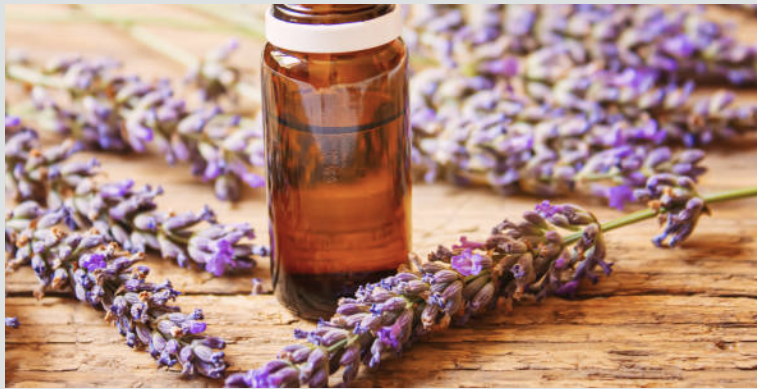
- Lavender: Calming, helps with anxiety and stress, burns, ulcers, insomnia, car ride anxiety and motion sickness. Also helps repel insects.
- Cardamom: Aids in digestion, heartburn, nausea, colic, coughs and freshens breath.
- Clary Sage: Hormone-balancing, promotes relaxation.
- Fennel
- Helichrysum: Anti-bacterial; can reduce bleeding after an accident, helps regenerate skin and repair nerves
- Spearmint: Better than peppermint as it has less menthol which makes it less pungent. Helps repel insects.
- Chamomile: Soothing, aids in relaxation and digestion.
- Ginger: Aids in digestion, relieves nausea and motion sickness.
- Lemon Balm: Calming, aids in digestion and relaxation.
- Myrrh: Antimicrobial, helps with skin infections and inflammation.
- Marjoram: Supports muscle relaxation, eases pain.
- Valerian: Calming, aids in anxiety and sleep issues.
- Patchouli: Soothes skin irritations, promotes relaxation.
- Bergamot: Uplifting, helps with mood and anxiety.
- Rose or Rosewood: Promotes emotional balance, soothes skin.
- Sandalwood: Calming, promotes relaxation and skin health.
- Neroli: Calming, promotes relaxation and skin health.
- Sweet Orange or Tangerine: Uplifting, helps with anxiety and depression.
- Lemongrass: Insect repellent, promotes calmness.
- Cedarwood: Repels fleas and ticks, promotes relaxation.
- Geranium: Repels ticks and fleas, may help with skin conditions.
- Rosemary: Supports cognitive function, repels fleas (don’t feed). Avoid for dogs with epilepsy.
- Juniper Berry: Supports urinary health, repels insects.
Essential Oils To Avoid For Your Dog:
- Cinnamon: Irritation to the skin, mouth, and digestive system, liver damage.
- Oregano: Gastrointestinal upset, liver damage, skin irritation.
- Clove: Liver damage, difficulty breathing, bleeding disorders.
- Wintergreen: Aspirin-like effects, gastrointestinal issues, neurological problems.
- Thyme: Gastrointestinal upset, irritation to the skin and mucous membranes.
- Birch: Skin irritation, vomiting, diarrhea, seizures.
- Tea Tree: Toxicity, skin irritation, neurological problems.
- Eucalyptus: Respiratory distress, drooling, vomiting, weakness.
- Clove: Liver damage, difficulty breathing, bleeding disorders.
- Citrus (eg, lemon, lime, orange, grapefruit): Skin irritation, gastrointestinal upset, photosensitivity.
- Pennyroyal: Liver failure, seizures, organ damage, miscarriage (if ingested by pregnant dogs).
- Pine: Irritation to the skin, respiratory issues, vomiting, weakness.
- Peppermint (in high concentrations): Gastrointestinal upset, liver damage, respiratory issues.
- Camphor: Neurological problems, seizures, liver damage.
- Garlic: Hemolytic anemia, gastrointestinal upset, liver damage.
- Mustard: Gastrointestinal issues, skin irritation, oral burns.
- Nutmeg: Central nervous system depression, tremors, seizures, hallucinations.
- Thuja: Contains a neurotoxin, causes vomiting, diarrhea, kidney damage.
- Basil: Gastrointestinal upset, skin irritation, potential liver damage.
- Juniper: Kidney damage, gastrointestinal upset, skin irritation.
- Citronella: Gastrointestinal upset, skin irritation, potential central nervous system depression.
- Rue: Gastrointestinal upset, skin irritation, potential liver damage.
- Yarrow: Skin irritation, potential gastrointestinal upset, liver damage.
- Tarragon: Gastrointestinal upset, potential skin irritation.




Leave a Reply
You must be logged in to post a comment.